Track Record
Building businesses, plants, and markets across Asia and Europe — three of them told here.
Building a Subsidiary into the Local Market Leader and Second Global Delivery Hub
Building a Subsidiary into the Local Market Leader and Second Global Delivery Hub
In 2005 I joined the Indian business of a European air engineering group — a subsidiary with roots going back to the early 1990s, backed by a company founded in the mid 1930s. What I found was a small team, an aging rented facility, and a fraction of the market it should have commanded. The ambition was set early and honestly: not to trade in India, but to build in India — manufacture locally, engineer locally, and win on the same terms as the strongest domestic competitors. From 2008, I led the subsidiary as President and country head.
Scaling an established business to ten times its size — all of it organic — takes more than strategy. It took determination, hard work, and compassionate leadership: bringing a growing team along the way, earning their loyalty, staying with them through the difficult passages. It took openness to opportunities as they arose, persistence in winning new customers, and relentless drive for innovation — new products, new processes, new markets. By 2015 the business had grown from roughly CHF 3 million to CHF 30 million, holding market leadership: fans, filters, washing systems, and controls developed, produced, and certified locally, the import share falling from eighty percent to near zero, and exports following to other group companies and their markets.
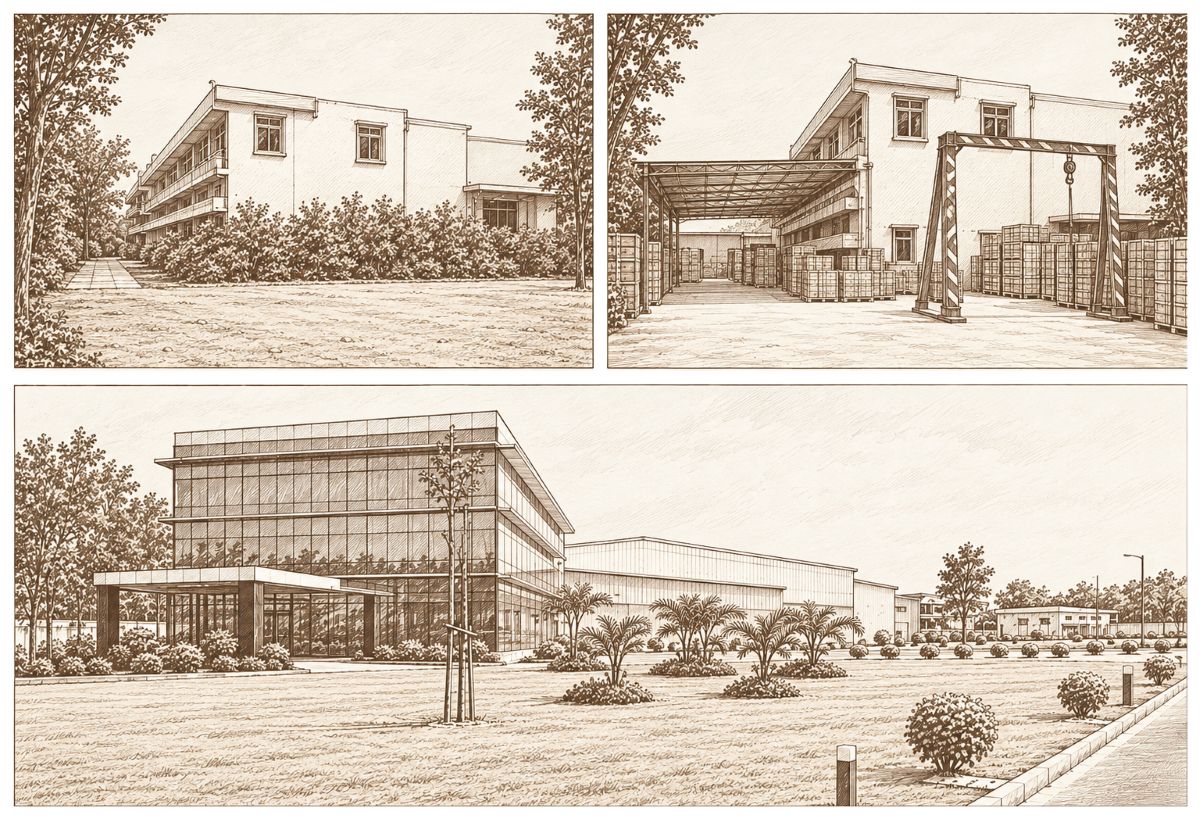
By 2011 the founding site had reached its limits. I proposed a new campus — for the local growth ahead, and for my vision of strengthening the group's supply chain with a second global delivery hub in India. The industry would only later embrace and name it: the China+1 strategy. The group granted the vision; in 2015 the campus opened — manufacturing, engineering, and training on one site, from bare land through land acquisition, approvals, construction, and operational setup. A vision granted and delivered.
Turning Around an Established Regional Organization
Turning Around an Established Regional Organization
An organization with roots going back to the 1970s, the regional APAC office had undergone successive restructurings — especially the consolidation phase in the early 2000s, when multiple offices folded into a single hub. Over the years, market share was lost to emerging Asian and Chinese competitors. The region grew smaller, margins thinner, and confidence with them.
When I took over, the traditional market — the textile industry — was physically relocating from this office's territories to those of sister organizations, none of which reported through it. At the same time, competition in the territory intensified. The turnaround began with culture: reminding the team of our strengths, and injecting the belief that a successful turnaround was within reach — if we worked and served customers diligently.
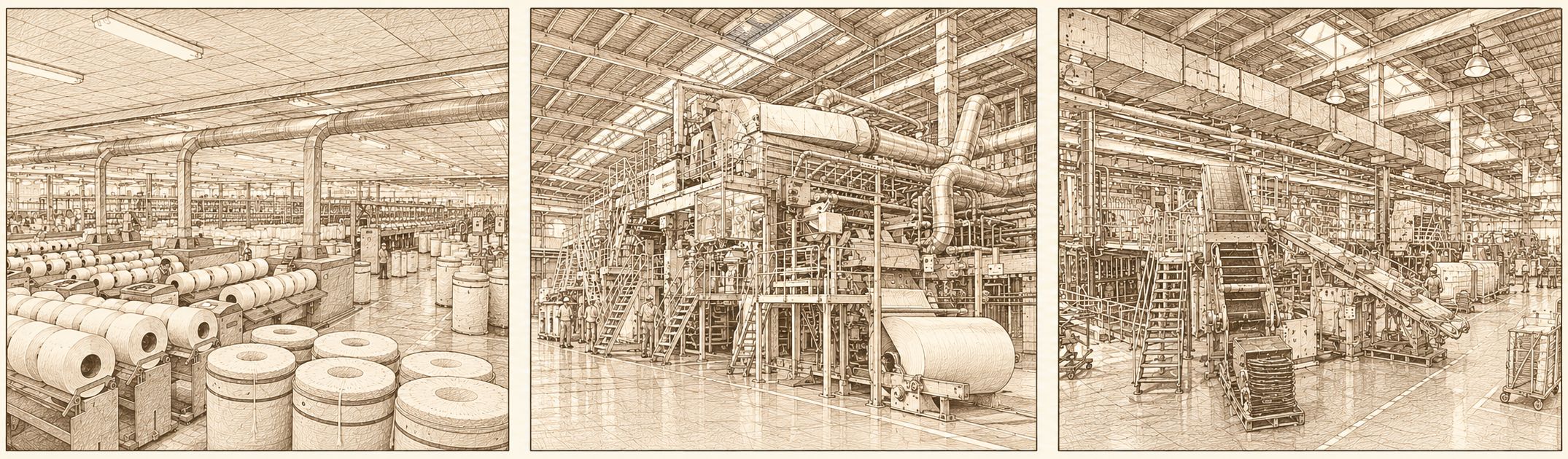
While meticulously preserving the existing customer base, we re-engaged customers we had lost in the past — not by promising price cuts, but by listening to their needs and delivering solutions that worked for them again. We also went to those who had assumed we were beyond their reach — and never asked. Persistence, service, and a willingness to adapt: we flexed into bordering markets, rearranged sourcing and trade routes, and let innovation find its way into the process where incumbents hadn't been watching. New industries followed — paper, chemical, nonwovens — the ventilation discipline travelling across all of them.
By the end of my term, the business had grown from roughly CHF 8 million to CHF 15 million. Margins restored, market share recovered, and capability rebuilt in people trained in the new way of working.
Operating an International Subsidiary at Ownership Level
Operating an International Subsidiary at Ownership Level
During the group's private-equity years, the subsidiaries operated under full P&L responsibility — including defending budget and results to the private-equity owners. Autonomy came with accountability: budgeted, steered, and defended at ownership level, problems solved where they occurred — remote from headquarters.
Customers and partners on this level are plant owners, chief executives, the people responsible for the business — conversations about investments, returns, and long-term commitments, rather than specifications and price alone.
Underneath ran a quieter transformation. Quotations for heavy-duty air engineering systems were slow and prone to revisions — engineering know-how locked in the heads of a few. I developed a unified design and estimation tool covering some fifteen thousand positions: cooling load, component sizing, and costing in a single process, integrated across the group. Quotation time fell from days to under half a day — speed that turned into time serving customers. And the output was a commercial whole: packaging, shipping, FX exposure, contracting, terms and conditions — everything that shapes what an offer truly costs. Alongside it came early ERP implementation in India and the group-wide rollout of the selection tools.
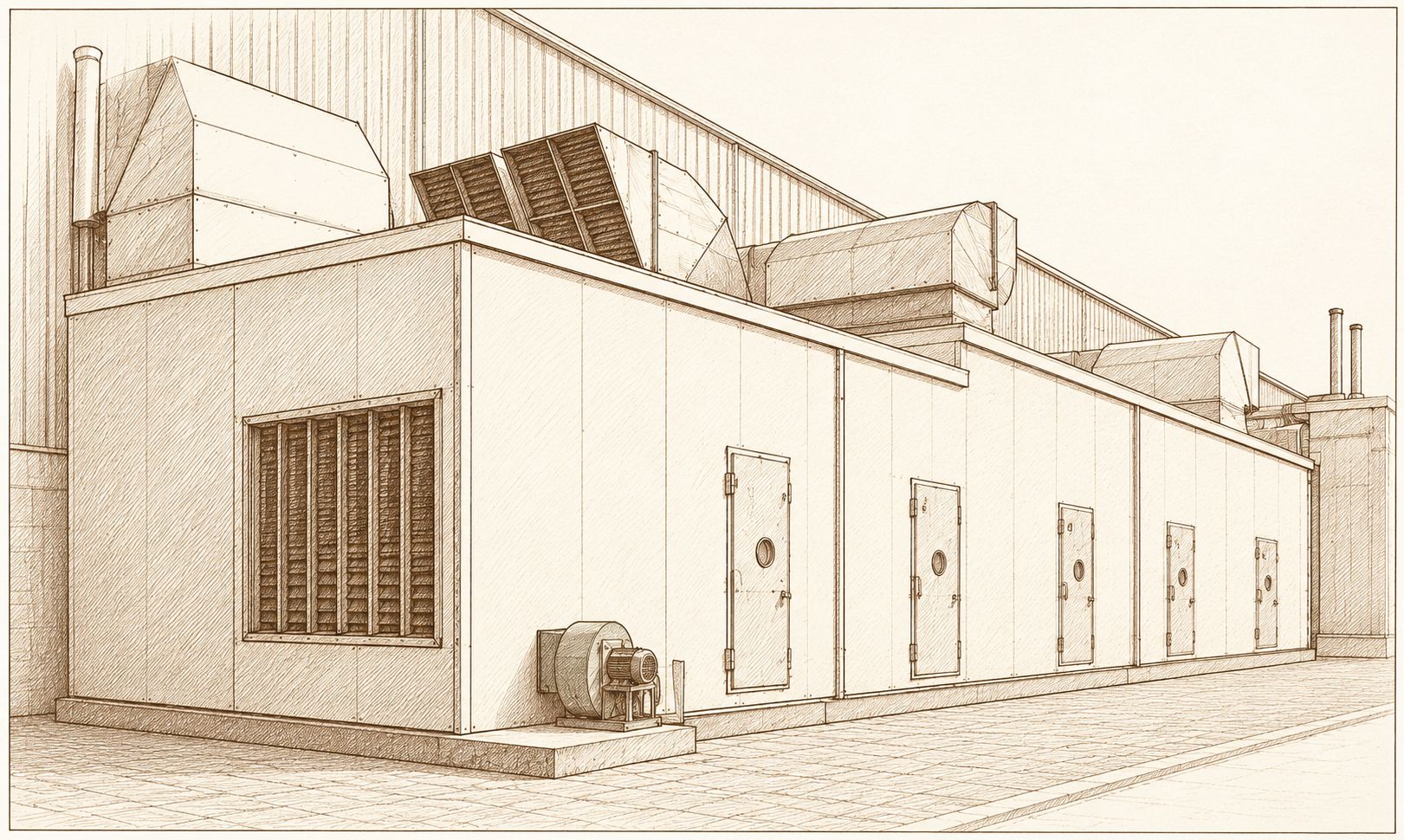
The thread beneath all of it: components — fans, filters, washing systems — developed from R&D through serial production. Knowing how these systems are designed, perform, age, and fail is the same depth that later led to engagements as subject-matter expert in international arbitration.
Each case earned its place in a different discipline. What all three share is the hand behind them — the same experience is available to your business through Greenfield Plants and Asia — Entry, Turnaround & Growth; the depth behind them through Independent Technical Expert; and the working relationship they describe — owners, chief executives, long horizons — is the one Beyond the Mandate exists to continue.